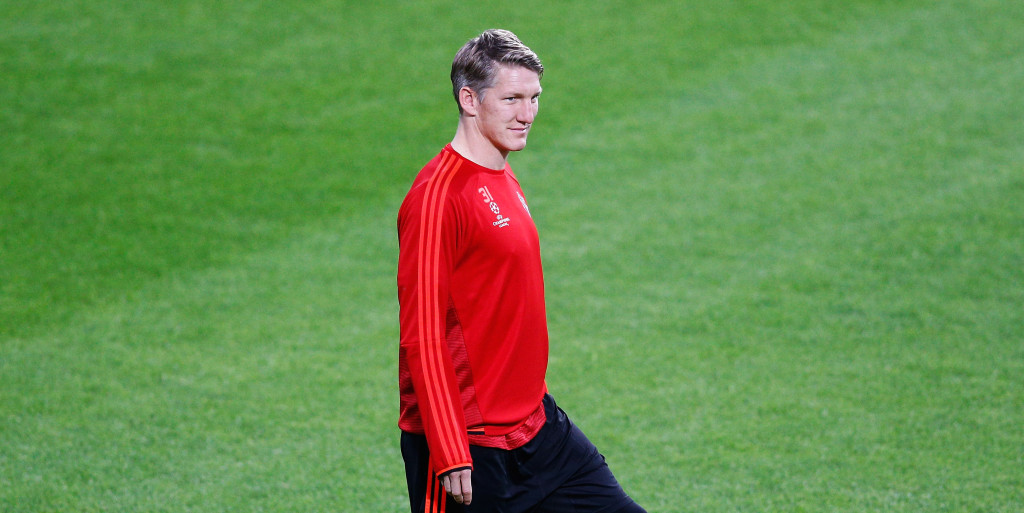
In what was one of the club’s greatest transfer coups of recent times, German midfielder Bastian Schweinsteiger joined Manchester United in July this year from Bundesliga giants Bayern Munich.
The fee paid for the German is not clear, with varying reports suggesting the cost may have been anywhere between £6m and £14 million. However, whatever the price may have been, Schweinsteiger’s start to life at Old Trafford looks worthy of the outlay.
There were some question marks over Schweinsteiger’s transfer, with some unsure of the German’s ability to adapt to the Premier League, whilst others pointed to the player’s lack of game time with Bayern Munich last season to argue that he is well past his prime.
Whilst Schweinsteiger has made a decent start with United, it’s worth looking at how his form this season compares with his efforts with Bayern Munich in the previous campaign.
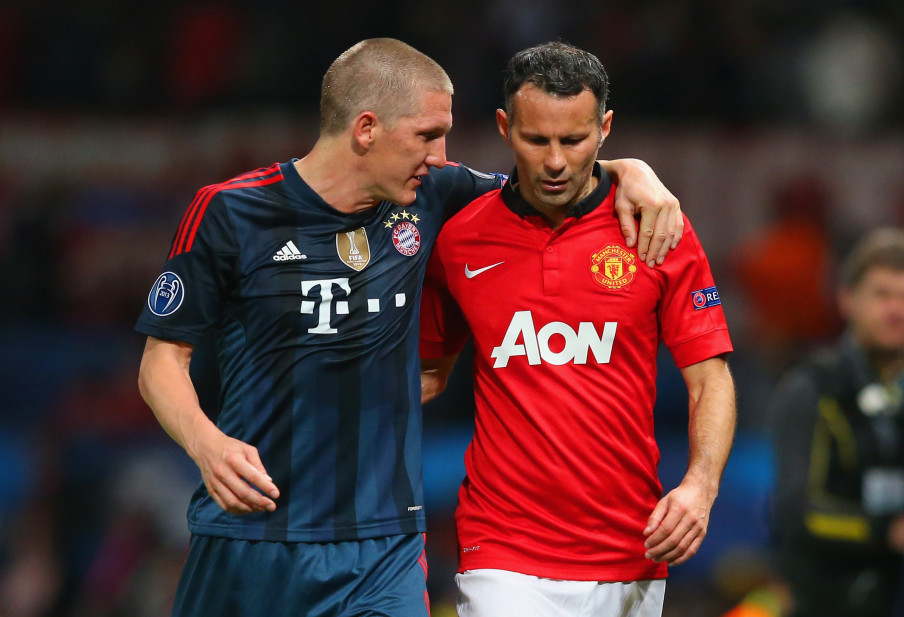
By this point last season, the German was yet to make his first appearance for Bayern Munich. After being a key part of Germany’s World Cup winning side in the summer of 2014, Schweinsteiger suffered an injury that kept him out of the team for three months.
Schweinsteiger returned after Bayern Munich had made an excellent start to their season and was restricted to substitute appearances on his immediate return. He did, however, start 16 of the remaining 23 Bundesliga matches of the campaign, scoring five goals and providing four assists.
Playing alongside fellow defensive-minded midfielders such as Xabi Alonso and Phillip Lahm in an unorthodox central role may have given Schweinsteiger this added incentive to go forward, perhaps explaining his so far goalless start at United.
The German is also yet to assist a United goal this season, but this may too be down to a slightly different role from his time with Bayern Munich last term. In fact, Schweinsteiger has only created three chances in the Premier League with Louis van Gaal’s team.
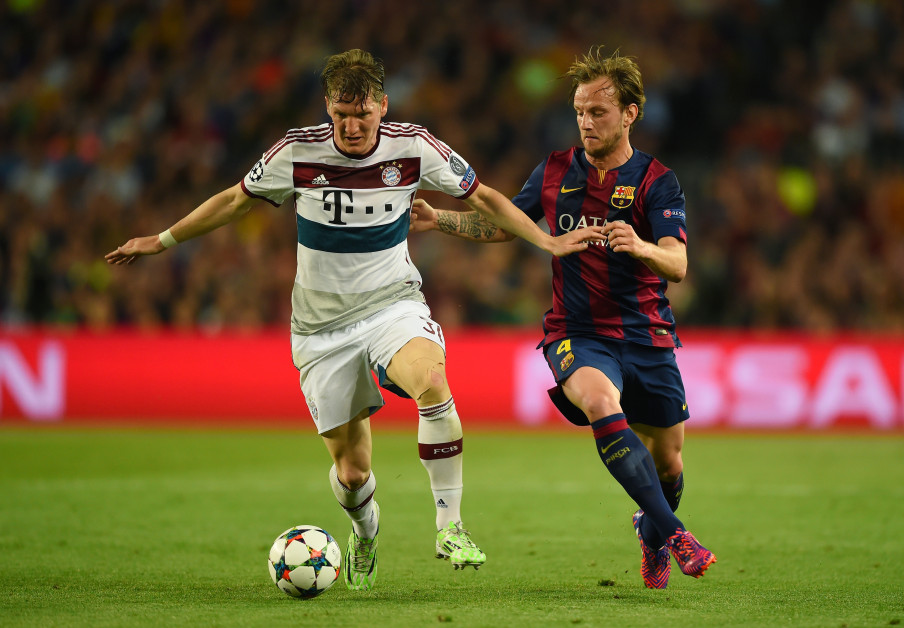
Schweinsteiger has actually played a variety of roles with United, but it seems he has more defensive duties this season. The German has played as a dictator of play, notably in the absence of Michael Carrick, and also as a more pressing, box to box style player whilst alongside him.
As noted by various outlets after the Arsenal defeat, Schweinsteiger was being asked to press Santi Cazorla, dragging United’s midfield out of shape. Judging by his time with Bayern last season, this is a role which United’s midfield dictator hasn’t been used to playing more recently.
Against Liverpool last month though, Schweinsteiger impressed with the way he controlled the midfield. Playing next to Michael Carrick that day, too, the German had less defensive emphasis on his game and was comfortable in distributing the ball to his teammates.
Whether the quality of that performance was down to a sub-standard Liverpool team is uncertain, but this deep-lying role is one more familiar to Schweinsteiger.
Last season, with Bayern Munich, Schweinsteiger was able to share the burden of controlling the midfield, playing alongside similar types of players who are also capable of playing the same role. Perhaps that is why we are seeing the German make a quietly positive start to his career at Old Trafford, without setting the world alight- he is adjusting to his new role and surroundings.
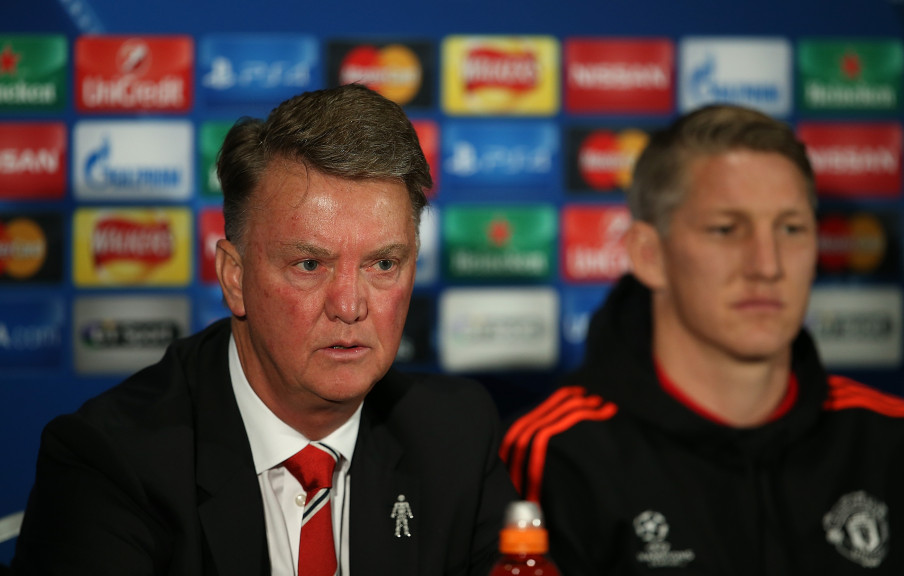
Overall, Schweinsteiger was an important player in the Bayern Munich side last season. He missed the start of the season, perhaps when the team were at their best, but was still contributing to many victories after returning from injury and played regularly. Looking closely at his form last season and his start with United this term suggests ideas he was finished as a top-level player are inaccurate.
Schweinsteiger’s time at United so far hasn’t been without its flaws. However, if he can maintain his fitness and adapt further into his new role and positional tasks, we could see the German reach the heights of his fantastic career with Bayern Munich.


Comments.
Loading comments…