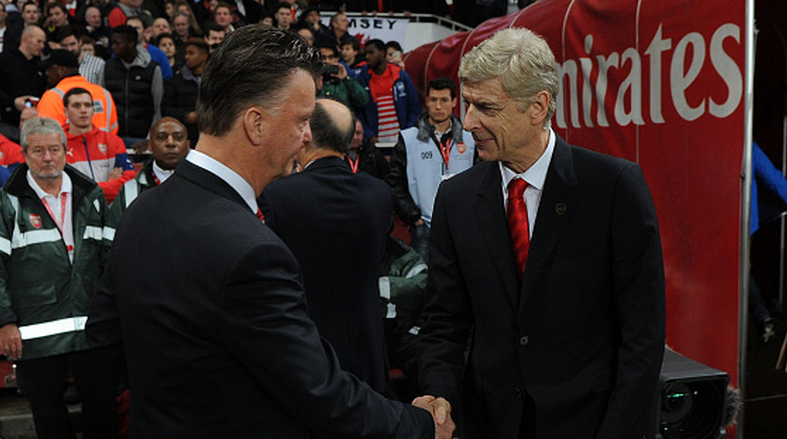
Arsene Wenger has accused Manchester United of abandoning their youth policy and having no patience in the face of another summer of huge spending in the transfer market. United supporters will no doubt take offence at Wenger’s comments but what he’s said does beg the question: is he right?
It was possibly in the sacking of David Moyes, in April 2014, that we saw the end of an era at Manchester United. Hand-picked by his illustrious predecessor, Moyes was chosen not only to carry on the success of Sir Alex Ferguson but the manner in which it was obtained.
Ferguson was so well suited to the club because his principles aligned with those of Sir Matt Busby and the legacy that he built in Manchester. United are famed for their youth policy, of keeping with tradition, and of loyalty and togetherness. Ferguson’s teams all possessed great individuals but the emphasis was always on the team. He believed that hard-work was as crucial part of a player’s make-up, possibly even more so, than natural talent.
The criticism of United having ‘no patience’ is evident in the rash dismissal of David Moyes. Results were obviously disappointing and the lack of European football was decisive in Moyes losing his job. What it said to world was that Manchester United had now joined the modern game of football. A club seen for so long seen to be holding on to tradition and loyalty, was now no different to the clubs who sack managers if initial results don’t meet lofty expectations.
Whilst Moyes did underachieve, he was hardly backed as extensively as his successor, Louis van Gaal, has been in the transfer market. Although the club’s transfer record was broken during his brief tenure, in comparison to the lavish outlay of the past two summers, the backing in him from the board wasn’t exactly encouraging.
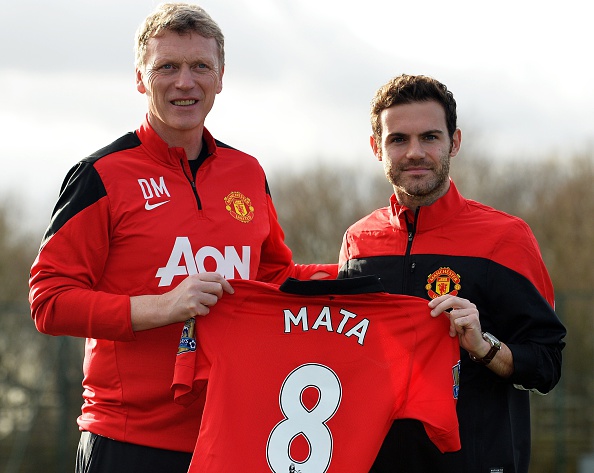
Even the signings made under Moyes now feel of a changing of policy from those in charge. The Glazers wanted to adapt a ‘Galactico’ policy, as a method of increasing their commercial operation, and probably had to wait for Ferguson to retire before instilling it. Moyes got lost in the middle of trying to maintain the traditions of his predecessor whilst attempting to navigate his way through the owners’ new ideals.
This policy for bringing in big names that will shift shirts as well as provide success on the pitch is famously the strategy in play at Real Madrid. Is it a policy which will deliver sustained success? The huge amounts of money spent on improving their squads has brought success to the likes of Manchester City, Chelsea and of course Real. But none of those sides have enjoyed a spell of continual success. City have followed a pattern of winning a trophy before failing to pick themselves up to do it again the following year. Chelsea have won more but despite their own excessive spending they went five years without winning a league title. Real Madrid, the original advocates of the ‘Galactico’ policy, have recruited some of the world’s best for the biggest fees but when you consider that they’ve won La Liga once in the six years since they signed Cristiano Ronaldo, what they’ve achieved is quite paltry.
What Ferguson was so brilliant at was building sides that could achieve success and sustain it. For every Eric Cantona and Cristiano Ronaldo in his teams, there was a Denis Irwin and John O’Shea. The blend of flair and graft were the key ingredients in every Ferguson side. So, of course, was experience and loyalty. Ryan Giggs was present in every trophy-winning side under Ferguson. Players like Irwin, Gary Pallister, Mikael Silvestre and John O’Shea weren’t the most outrageously gifted individuals but what they offered the team, and the club, was extremely vital. We shouldn’t be so quick to demand the exit of the likes of Jonny Evans, players who know the club and hold up the magnificent tradition that we should cherish dearly.
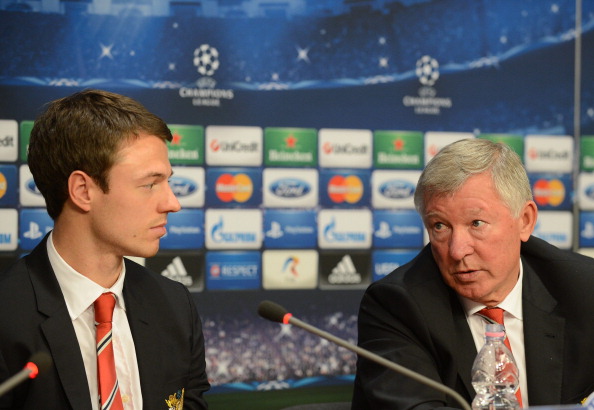
Bringing through players from the youth academy has also been the hallmark of Manchester United, for sixty years the club has been famed for producing some of the finest players ever seen. Wenger believes that United are no longer interested in their youth system as they chase immediate success. This particular accusation is on the harsh side. Eight academy graduates are currently on tour with Louis van Gaal’s side and he wasn’t scared of fielding many of them last season. But with the stakes so high and patience a forgotten word in the modern game, it is understandable that van Gaal has sanctioned so many high-profile acquisitions. Even Ferguson, in his early years, spent money on the squad trying to achieve success. It was needed in order to provide a platform to bring the youngsters through. A manager requires trophies to give him security and the time to offer the academy players a chance. Van Gaal has a track record of producing young talent and once he has the backing of success I’m sure we’ll see even more young players being blooded in the first team.
The vast wealth of money available to spend on new players is possibly necessary in order for Louis van Gaal to restore Manchester United to the top. Whilst it is exciting to see players of the calibre of Bastian Schweinsteiger and Angel Di Maria arrive at the club, it is a situation that needs to be handled very carefully. The spending of such huge amounts of money, the apparent new ‘Galactico’ policy in operation at the club isn’t what United are about. Maybe I am just being nostalgic, but what Wenger has said, whilst perhaps not entirely true, shouldn’t be viewed as jealous criticism from a long-time rival. It should be seen as a warning and we should take it as an opportunity to ensure that we don’t lose the tradition and the principles that make Manchester United the greatest club in the world.



Comments.
Loading comments…