We all want to see the world’s best players wearing our team’s strip and we all get excited at the prospect, and thrilled on the arrival, of signing the biggest names that the world of football has to offer. Manchester United are the biggest club in the world, with a vast wealth befitting such status, and it is only natural for it to play host to the best in the business. However, does the signing of the established elite actually suit the club? Has it worked in the past? Should it be a policy that the club pursue?
The retirement of Sir Alex Ferguson signalled the end of an era at Manchester United. Since his leaving in 2013, the club has found itself, through choice or otherwise, aligning with the other giants of English and European football in how they operate. United have spent, in the three summers since Ferguson left, half of what the legendary manager did in the thirteen years previously. And the club’s transfer policy appears to have shifted dramatically.
With them having a finger on the pulse of footballing business, it should come as no surprise that the Glazer family have realised the commercial potential in the ‘Galactico’ policy, of signing the biggest and most lucrative names in the sport. Such a policy wasn’t possible, or needed, during the reign of Ferguson but now the owners have made the strategy a key part of their marketing plan.
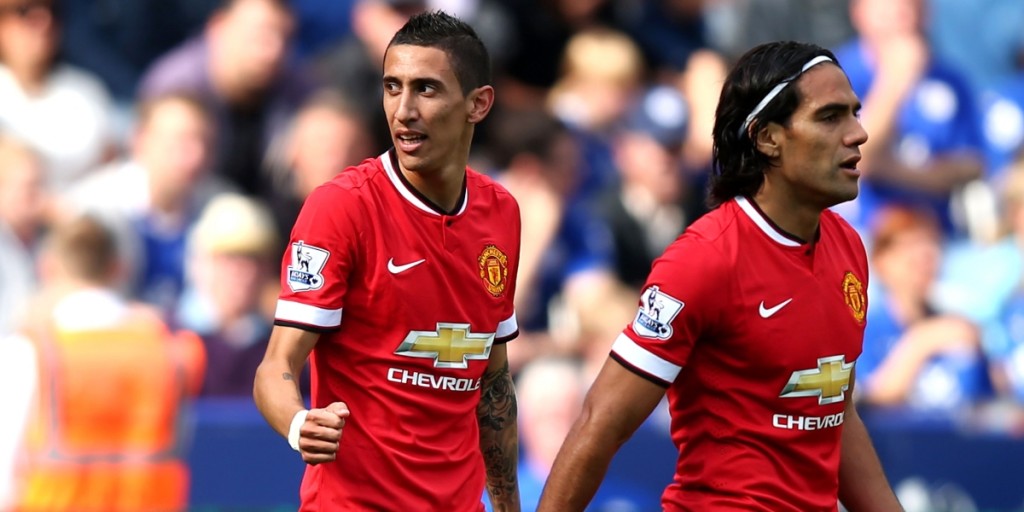
It could be argued that Manchester United have, finally, joined the modern game of football especially in terms of player recruitment. Buying players who whilst first and foremost will provide success on the pitch, they will shift huge quantities of merchandise off of it. With a global fan base believed to be in the region of 300 million, that policy makes perfect business sense. Having a big name, like Di Maria, will sell more shirts than someone like Jonny Evans. And with companies such as Adidas and Chevrolet pumping in such incredible amounts of money into the club, they now can quite reasonably demand the club pursue certain strategies. Adidas need to make back their £750 million.
The worry with a policy such as the ‘Galactico’ one is that whilst it placates sponsors and the majority of the fan base, does it actually lead to success on the pitch? And does it alienate the wonderful tradition of the club? Ferguson rarely signed established players, like Sir Matt Busby before him, and every successful Manchester United side has been full of players either from the academy or who have been developed at the club.
Real Madrid are the prime example of what the ‘Galactico’ policy can achieve. Their president, Florentino Perez, introduced it after seeing the global marketing potential that the club had. The likes of Luis Figo, Zinedine Zidane, David Beckham and Ronaldo were just a few of the names brought to the Santiago Bernabeu. That has continued with the acquisition of Gareth Bale, James Rodriguez and, of course, Cristiano Ronaldo. The idea was to blend the big name players, on hefty wages, with young academy players who didn’t demand the same outlay. What Real Madrid found they had was an unbalanced side often lacking in the team unity necessary to challenge the likes of Barcelona.
Barcelona are the antithesis of Real, building teams with players out of their famed La Masia academy. Andres Iniesta, Xavi, Carles Puyol and Lionel Messi all came through the ranks before helping the Catalan giants to incomparable success. There is a far more obvious sense of togetherness and spirit within the Barcelona team than can be found in their Madrid counterparts. Although they have realised their own marketing potential- impossible to ignore if you want to keep pace these days – the core of their team is born out of the academy. And their trophy cabinet in recent years has seen far more additions than Real’s. To put it into perspective, Cristiano Ronaldo has lifted the La Liga trophy just once since he joined Real in 2009. Barcelona, on the other hand, have won four titles.
That’s not to say that signing the world’s best doesn’t provide success. Fielding a team containing the talents of Ronaldo and Bale will bring results. The problem appears to be in sustaining success, something Ferguson was unmatched in doing. He built teams to last and knew when to regenerate and most importantly he ensured that they were in keeping with the traditions of Manchester United.
The main question of this article was whether the signing of established stars has proven a successful strategy at United? This notion is something of a modern idea, the marketing potential of a club and the commercial aspect, was untapped in the 1960s and 1970s. The seeds were sown in the formation of the Premier League before blooming in the early 2000s. Still, in the 1960s there were world class players around and available at a price. Many were lured with the help of lira to Italy. Sir Matt Busby, who started Manchester United’s most precious tradition of building teams full of home-grown talents from the academy, rarely delved into the transfer market, even less so to sign reputable stars. Perhaps his most famous addition was Denis Law, a world class player if there ever was one. Yet the club record £115,000 paid to sign him was forced upon Busby by the loss of many of the Babes at Munich. One of those lost was Tommy Taylor, one of few players bought in, and like Denis Law after him, was an undoubted success.
Sir Alex Ferguson followed Busby’s lead by building great teams out of the academy. The treble side contained many members of the famed ‘Class of 92’. That’s not to say that Ferguson didn’t venture into the transfer market, particularly in his early years as he searched for the initial success that would provide him with security. What is noticeable from his first decade in the job, was that Ferguson didn’t bring in huge name players. This wasn’t entirely through choice, he famously pursued Patrick Kluivert and Gabriel Batistuta in the late 90s, but the financial restrictions imposed on him by a PLC prevented him from breaking the wage structure.
The Glazer’s protracted takeover in 2005, and subsequent debt burdened on the club, was viewed by many as Ferguson’s purse-strings being tightened. What is clear now is that it was actually a case of Ferguson not wanting to bring in players for extortionate fees on even bigger wages. It wasn’t that he didn’t want the best players at the club, he just wanted them to have been developed there first. One of the standout qualities of all Ferguson’s sides, even those that were less successful, was the spirit and never-say-attitude that they all possessed. When you’ve survived a tragedy as painful and as devastating as Munich 1958, and come out the other side to win the biggest trophies, that spirit is ingrained in the very fabric of the club. The legacy of the Busby Babes is at the very heart of Manchester United and all that it stands for today.
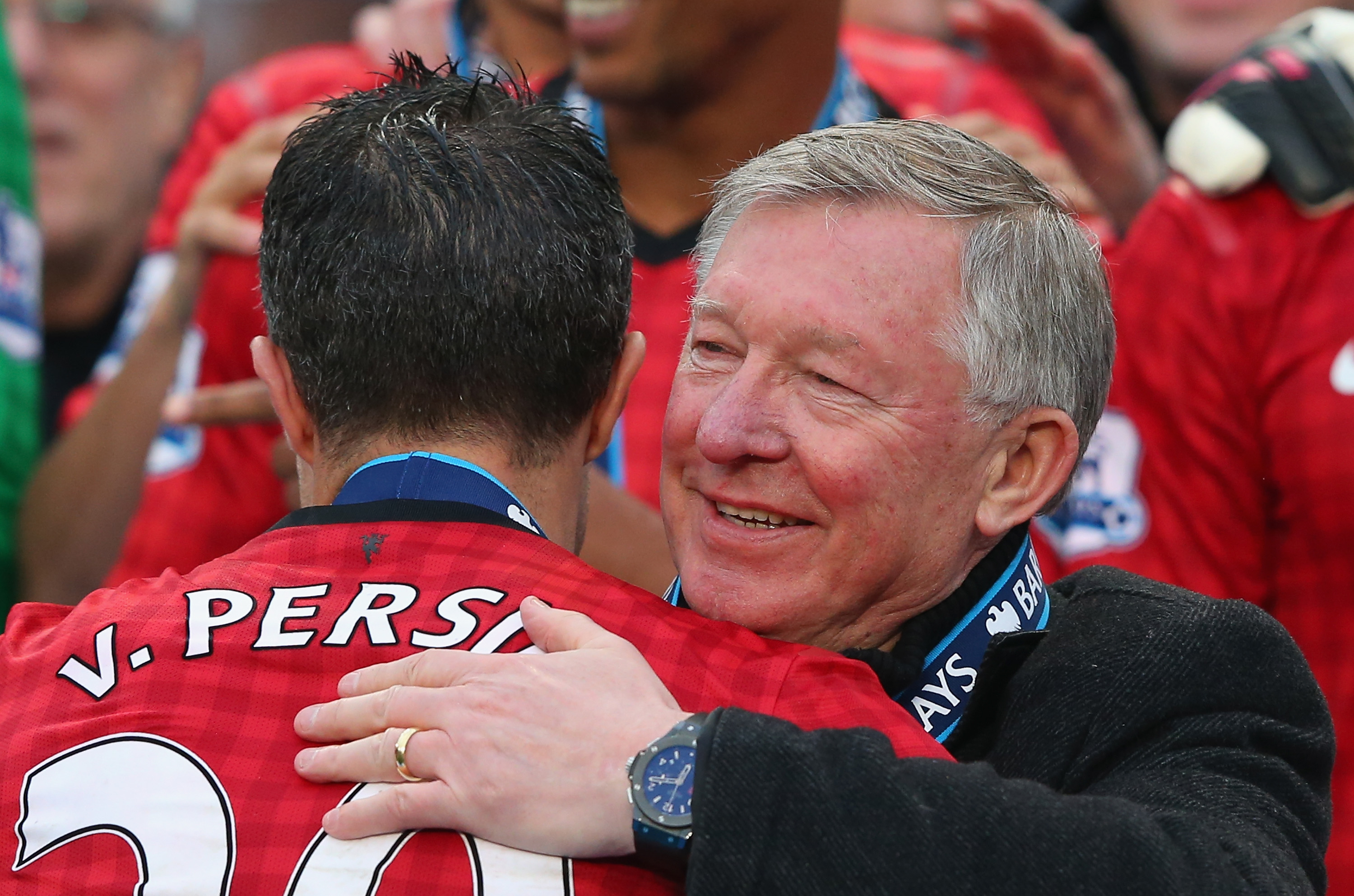
Ferguson understood this but also knew how to build a successful team with that legacy at its core. In this lies his genius, he managed to keep with the traditions of the club and be successful despite the vast change in the culture of football that he faced during his twenty-seven year reign. Of all the big name acquisitions in recent years, many argue that only Rio Ferdinand and Robin van Persie, for Ferguson anyway, can be called an unqualified success. Juan Sebastian Veron failed to settle and adapt to the English game, performing on an inconsistent basis despite possessing superb technical ability.
The majority of the big name arrivals have, unsurprisingly, come after Ferguson. The results of them are mixed to say the least. Whilst Juan Mata, after taking time to find his feet, has endeared himself to supporters with a brilliant second half of last season, Angel Di Maria and Radamel Falcao have failed to live up to the hype that came with their arrival. Falcao, after a season of frustration and fitness doubts, has already gone and Di Maria, the club-record signing, looks set to follow him out of the exit door. The 27-year-old started his United career brightly before fading massively and it is apparent that he doesn’t want to remain and fight for his place in the team and the history of the club.
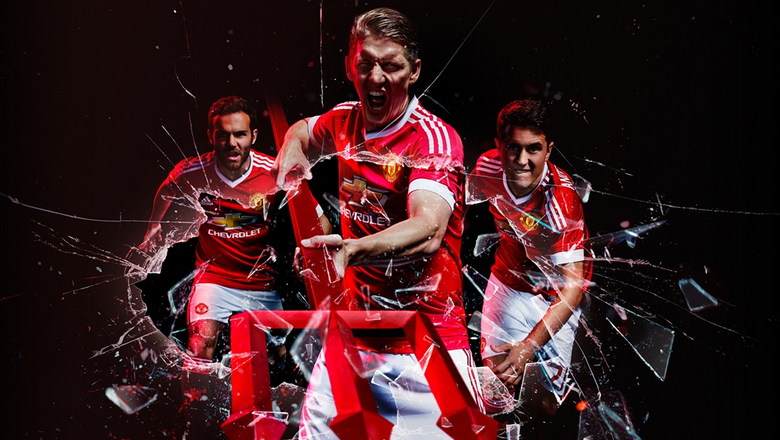
Despite the disappointment of last summer’s recruits, the spending spree under Louis van Gaal has continued this time. Bastian Schweinsteiger arrives as a world cup winner and one of the greatest German footballers ever. van Gaal has made it known that he desires another ‘Galactico’ to enable his side to challenge for the major honours. It isn’t surprising, van Gaal hasn’t got time on his side and needs success sooner than later. Whereas the appointment of David Moyes was a long-term one, his predecessor was brought in to bring success almost instantly. Under such pressure, van Gaal will have to sign established top class talent. If that doesn’t highlight the shift in United’s strategy then I don’t know what does.
The constant need to bring in the world’s best players is probably an inevitable effect of the modern game. Perhaps even Ferguson realised it when he signed Robin van Persie to fire him to one final title. The policy does bring success, the jury is still out on whether it allows a club to sustain it, but bringing in ‘Galactico’s’ isn’t in keeping with the traditions of Manchester United and hardly makes for a coherent, spirited team. It is the way which United are operating now, and though it is exciting to see star names such as Schweinsteiger wearing our colours but one can’t help but worry that the club is abandoning its legacy and tradition. Or it is at least not at the forefront of the modern Manchester United. This strategy may, and hopefully will, bring success to the club but at what cost?
Comments.
Loading comments…