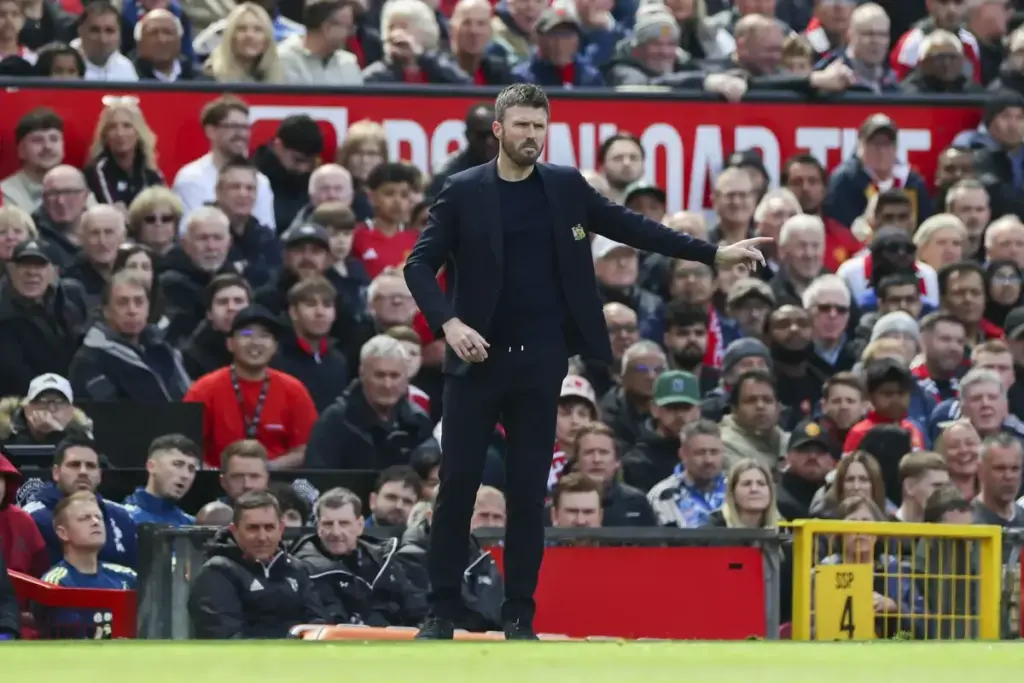

Michael Carrick’s start as Manchester United manager was always going to be judged on results. Now Nicky Butt has raised a different kind of pressure altogether.
Speaking on The Good, The Bad and The Football podcast, the former United midfielder warned that Carrick’s job could come under serious threat before the January transfer window even opens. The worry is not about Carrick’s own decisions. It is about how the club is choosing to rebuild the squad around him.
Butt’s argument is not that Carrick lacks the ability to manage at this level. It is that United’s recruitment plan, built around fixing one area of the squad at a time, could leave him short of the players he needs long before the board revisits its transfer priorities.
This is external tactical commentary from a respected former player, not an ultimatum issued from inside Old Trafford. But it captures a real tension between careful long-term planning and the short-term demands of Premier League football, one supporters will recognise from United’s own slow opening to the campaign.
Why Staged Recruitment Threatens Michael Carrick’s Old Trafford Tenure
United’s recruitment approach this season has been built on sequencing. The club has prioritised sorting midfield first, with defence and attack earmarked for later phases, potentially stretching into January or even next summer. Nicky Butt does not dispute that logic as a long-term strategy. His concern is what it means for Carrick in the meantime, when results are being judged now and the squad gaps are being patched later.
A head coach working under that model effectively inherits somebody else’s timetable. If performances dip while United wait for defensive reinforcements that have already been planned in for a future window, it is Carrick who absorbs the criticism, not the recruitment department. Butt’s warning is essentially that the club’s phased approach could put Carrick in an impossible position through no fault of his own.
Nicky Butt’s Warning on Deficits Across Manchester United’s Back Line and Attack
Butt’s central worry is that United have moved to sort midfield while defence and attack remain short of genuine quality. On the forward line, he was blunt about what he believes is still missing despite the additions already made.
“I think that’s all well and good, saying they’re doing it in sections from the club and the recruitment, but if you’re a manager, you’re thinking, well, the forwards, they think they’re sorted, I don’t think they are.”
“I think they need a number nine, an out-and-out number nine. They’ve gone and sorted the midfielders out, which is debatable. I think they’ve done a decent job with that, but it could be that Michael could not even get to the next transfer window, and he could be going, ‘Well, I’ve lost my job and you’re not giving me the tools to go and do my job with the back four’.”
“Because certainly whatever you say about that back four, Harry Maguire’s been an unbelievable player, top, top player, but he’s getting to a certain age now, and he is getting older, and we’ve all been there, haven’t we? You get older and you slow down, or you’re not as good, not as quick.”
Nicky Butt then turned his attention to the rest of the back line, questioning whether United currently have the personnel to compete at the level required.
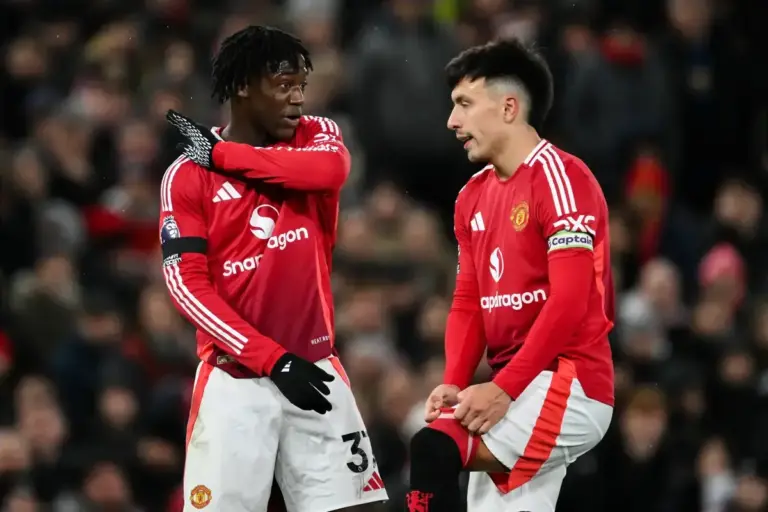
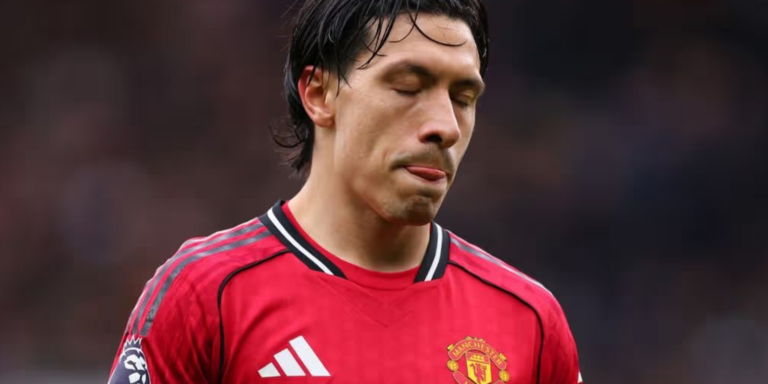
“[Lisandro] Martinez is still at the top of his game, he’s still a really good player. I love Luke Shaw. When he’s fit and playing, he’s one of the best in Europe, but it’s a fact that he gets a lot of injuries.”
“The right-backs, I don’t believe either of them are good enough. So you’re looking as a manager or as a coach, and you’re going, ‘well, I’m desperate to get some players in the back four’. But then it looks like the recruitment team and the powers that be at United are going, ‘no, that’s our next phase, and that might happen in January, it might even happen, and it’s gonna be really hard, or it’ll probably be happening in the summer.’ That doesn’t help the coaches.”
Butt was careful to praise individual players even while flagging the gaps. He described Lisandro Martinez as still operating at a high level and made clear his admiration for Shaw’s quality when fit, while stressing that persistent injuries have limited the left-back’s availability. His sharpest criticism was reserved for United’s right-back options and the continued absence of a recognised number nine, both of which he believes leave Carrick exposed if results do not improve quickly. Jamie Carragher has made a similar point about United’s forward personnel in his own assessment of Carrick’s striker options, adding weight to the idea that the number nine question has not gone away.
Analyzing Michael Carrick’s Early Points Tally and Defensive Vulnerabilities
Results so far back up part of Butt’s concern, even if they do not confirm his more dramatic scenario. Carrick himself has been candid about United’s start to the season, accepting that the team has not collected the points many expected at this stage.
“We haven’t got as many points as we would have liked at this point, for sure. There’s no getting away from that. But we don’t need [the international] break or a restart. We’ve just got to move on and get winning again,” Carrick said.
That honesty is notable. Carrick is not disputing the numbers or offering excuses about a squad still being assembled in phases. Instead, he is framing the early points tally as something to be corrected through performance rather than through recruitment. It is a pragmatic response, and one that puts the emphasis squarely on results over the coming weeks rather than on the transfer strategy Butt has questioned.
The defensive issues Butt raised are not hypothetical. Harry Maguire remains a senior figure in the dressing room and a proven Premier League defender, but Butt’s point about age and pace catching up with even top players is a familiar one in football. Shaw’s injury history is well documented, and any recurrence would leave United relying on less experienced or less convincing alternatives at left-back. The right-back situation, as Butt sees it, offers no immediate solution either. Those are exactly the kind of defensive vulnerabilities that show up in a run of dropped points, and Carrick’s early tally suggests they may already be doing so.
Phased Transfers Versus Immediate Results: Can Michael Carrick Survive Until January?
Carrick’s response to the pressure has been to focus on what is directly in front of him rather than the broader recruitment timeline. Asked about the coming fixtures after a difficult derby result, he kept his message simple.
“We’ve got two games coming up this week, and it’s part of it, moving on quickly.”
That approach fits the pragmatic tone Carrick has struck throughout. He is not engaging publicly with questions about squad-building strategy or transfer phasing. His focus is on turning around performances with the players already available, which is ultimately the only lever a head coach can pull in-season.
Whether Carrick survives to January in the role therefore depends less on any single decision and more on whether United can generate enough points with the players currently available. Butt’s analysis, detailed in a Manchester Evening News report, offers a sober reminder that squad balance and managerial security are closely linked.
For Carrick, the immediate priority remains simple: find results with what he has, before the conversation about what he is missing grows any louder.
Comments.
Loading comments…