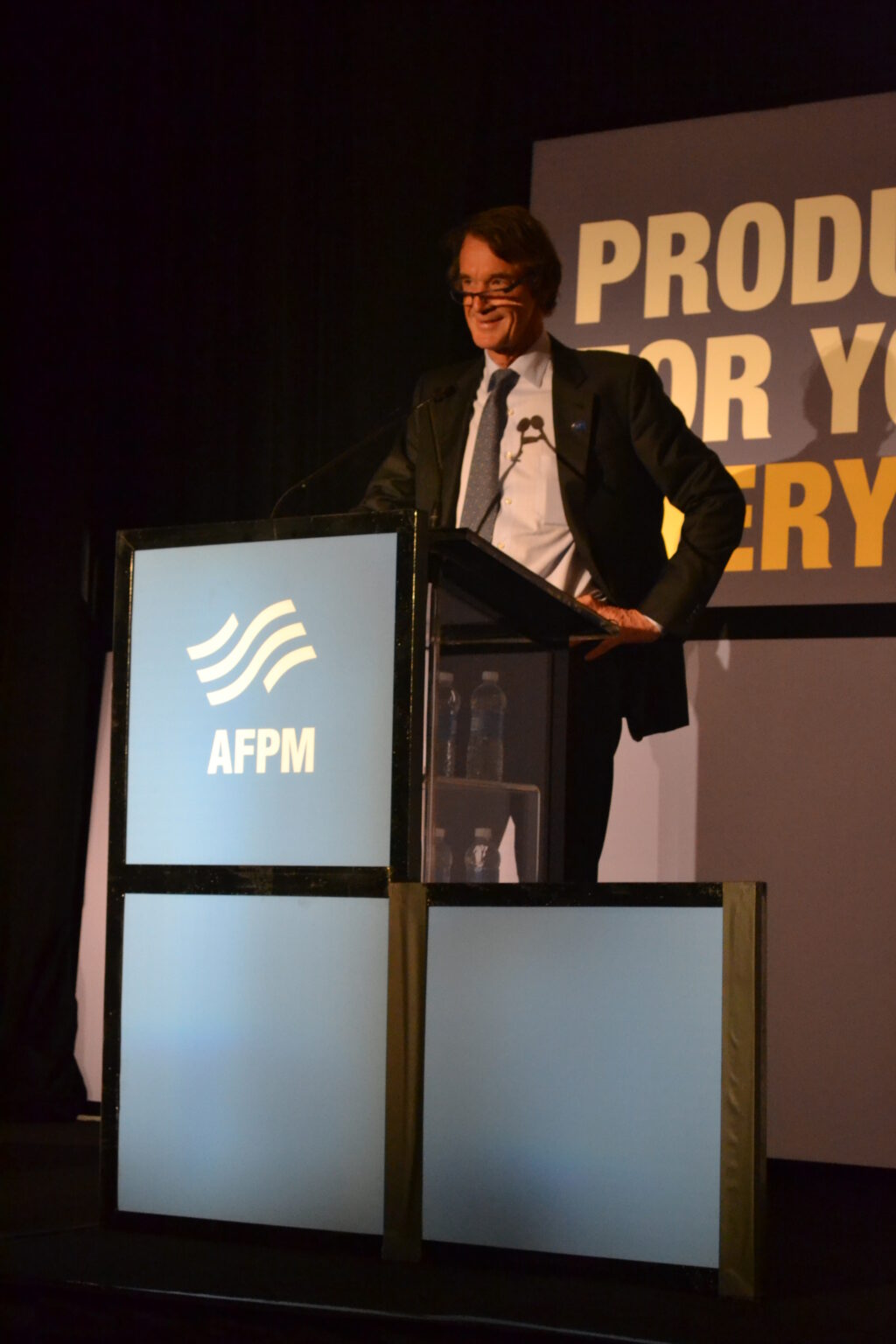

Sir Jim Ratcliffe sat down with Manchester United reporters at the Ineos office in Knightsbridge two years ago and made little secret of where he has been looking for inspiration.
The Ineos chief pointed to Manchester City’s calm, sensible structure as a model worth studying closely, and it is no accident that the Man Utd Manchester City staff hires now number six across the club’s football department. Ratcliffe wants City’s competitive environment replicated at Old Trafford, even while insisting City remain a rival to be beaten rather than admired.
He was direct about the rivalry when asked whether United could learn from City’s approach.
“We have a lot to learn from our noisy neighbour and the other neighbour (Liverpool). They are the enemy at the end of the day. There is nothing I would like better than to knock both of them off their perch.”
He admires City’s football operation without wanting United to sit anywhere near them in the table for long. The steady flow of staff from the Etihad Stadium to Old Trafford over the past couple of years suggests that admiration has shaped recruitment policy to a major level.
Sir Jim Ratcliffe targets City expertise to rebuild Old Trafford
Since Ineos took charge of football operations, the club has built a backroom team stocked with people who understand how City’s methods work from the inside. It is not a coincidence born of a small transfer market. It reads as a deliberate blueprint, aimed at bringing City’s structure, and some of its people, into United’s own corridors.
The theory behind it is simple enough. City have won the Premier League repeatedly under a settled operational model, and Ratcliffe clearly believes some of that consistency can be imported rather than reinvented from scratch. United’s recruitment since the takeover reflects that thinking at almost every level of the football department, from the boardroom down to the academy.
Six key appointments reveal extent of Manchester United backroom rebuild
The scale of the crossover becomes clear once the appointments are laid out together. Six senior figures at United now carry direct experience of working inside City’s football operation.
- Omar Berrada, Chief Executive Officer, formerly chief football operations officer at City Football Group.
- Jason Wilcox, Sporting Director, who spent 11 years at City as academy director before later joining United via Southampton.
- Toby Craig, Communications Director, previously part of City’s communications staff.
- Sam Erith, Performance Director, brought in from City’s performance department.
- Stephen Torpey, Academy Director, another arrival with City academy experience.
- Alan Wright, Under-21s Assistant Coach, who worked with City’s younger age groups.
Between them, those six roles cover the chief executive’s office, sporting strategy, communications, performance science and two levels of academy coaching. It is hard to find a corner of United’s football operation lately that has not been touched by someone who once worked for City.
Data dissects direct moves, academy roots, and financial breach clearance
Berrada is the only one of the Man Utd Manchester City staff hires who moved straight from the Etihad to Old Trafford. He resigned as chief football operations officer at City Football Group shortly before Manchester United confirmed him as chief executive, a direct switch between two clubs.
Wilcox’s path was different. He joined United from Southampton, having already left City’s academy after 11 years in charge there. Craig, Erith, Torpey and Wright all have City on their CVs too, but their routes to Old Trafford were not the same straight-line move that brought Berrada in.
That distinction matters given what has happened to City since. An independent commission found City guilty of financial rule breaches, including overstating sponsorship income by more than £830 million over nine years. It is a serious finding, and one City are still contesting through the appropriate channels.
Berrada has not been subject to any allegations arising from those breaches, and he was not asked to give evidence during the proceedings. His time at City Football Group sits entirely apart from the case, and United fans weighing up his appointment should be clear on that point before drawing any conclusions. Our assessment of Berrada’s executive mandates looked at what his role actually covers at Old Trafford, and the financial commission’s findings play no part in it.
Ineos operational vision triggers debate over rivals’ structural success
Ratcliffe’s comments in Knightsbridge will keep the debate going among supporters. Some see sense in borrowing proven methods from the most successful club of the era, whatever their current legal troubles.
Others worry that leaning so heavily on City’s old staff risks importing City’s way of thinking rather than building something distinctly United’s own.
Ratcliffe himself does not seem troubled by that tension. He wants City’s structure without City’s dominance, and he has said as much in blunt terms. The Man Utd Manchester City staff hires are the clearest evidence yet of how far he is prepared to go to get it. The original reporting from the Manchester Evening News report first traced these appointments back to Ratcliffe’s briefing, and the pattern it uncovered has only become more obvious since.
Whether the approach pays off will depend on results rather than pedigree. United fans have heard plenty about sensible structures before. What they want now is a team that competes with City, not just a staff list that resembles one.



Comments.
Loading comments…